A useful solar panel quote tells you what will be fitted, how much electricity the system is expected to generate and what the price covers. If you are comparing installers in Nottingham, ask each one to price the same scope. A shorter quote can look cheaper until scaffolding, electrical work or monitoring is added.
Start with the roof layout
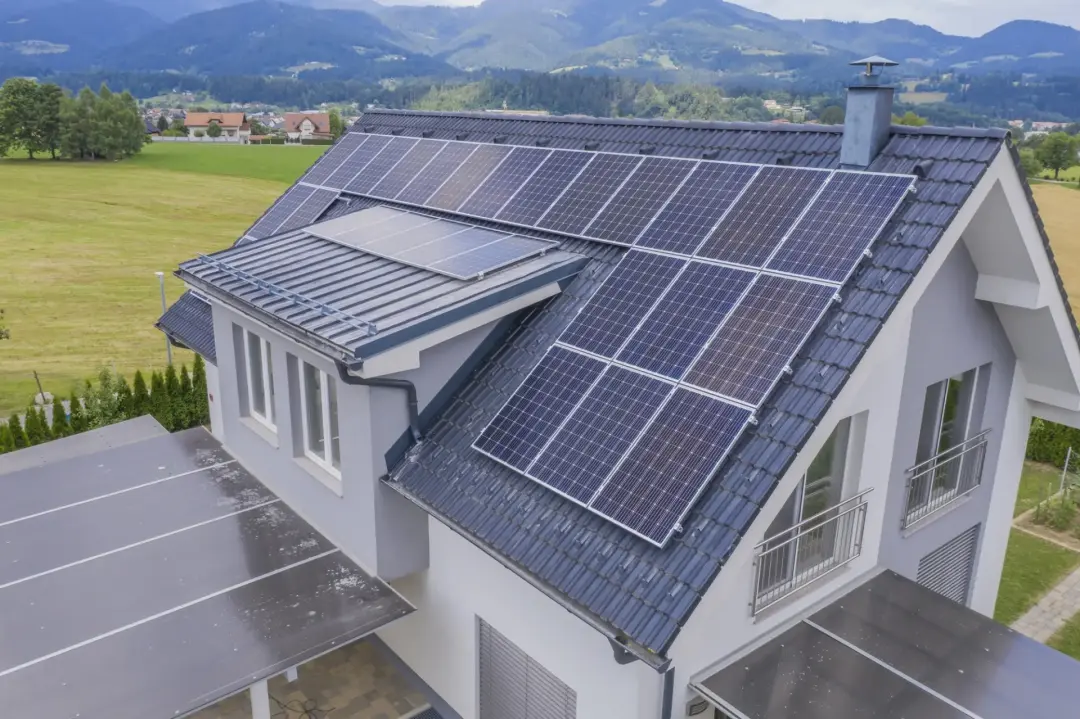
Look for a drawing that shows which roof faces will carry panels, how many modules fit on each face and what the array will look like from the ground. The quotation should identify the panel model and power rating. Twelve 430-watt modules, for example, add up to 5.16 kWp. That number describes the array's rated peak capacity. It does not predict how many kilowatt-hours it will produce in a year.
Check what the installer used to draw the layout. A desktop estimate can help set an initial budget, but a roof survey may show that a vent, chimney or roof window takes up more usable space than the drawing allows. Ask what would trigger a redesign and whether you get to approve it before equipment is ordered.
Ask how annual generation was estimated
A quote should show expected annual generation in kWh and explain the assumptions behind it. Compare estimates against the same roof orientation, pitch and shading. A proposal that puts panels on two faces may produce electricity at different times of day from one concentrated on a single face. If a chimney or tree shades part of the roof, ask the installer to show how the model accounts for it.
Generation, self-use and export should be shown separately. A forecast can look impressive even when much of the energy would be generated while your household is out. Check whether the savings calculation uses your consumption history or a typical household. If it includes export income, identify the assumed tariff and see whether the quote still makes sense at a lower rate.
Separate the equipment from the work
Ask for the price to cover access equipment, mounting, electrical installation, testing and commissioning. On a difficult roof, access can matter as much to the budget as the panel model. Check whether the quote includes any repairs to the roof covering, and ask who handles them if the survey uncovers fragile tiles or previous leaks. Ask where the inverter and isolators will sit and how the cable will reach the consumer unit. An agreed cable route is easier to change on a drawing than after holes have been drilled.
For context, the government reported a median of £1,595 per installed kW for small-scale systems of 4 kW or less in Great Britain in 2025/26, measured on a total installed capacity basis. That is a national benchmark across recorded installations. It does not account for access or remedial work on your specific property. Government cost benchmark
Planning solar panels for your property?
Solar Panels Nottingham serves homes and businesses in Nottingham and the surrounding area. See the areas we cover:
Compare warranties and responsibilities
Lead with a practical question: if a component fails after handover, whom do you call and what will they cover? Panel product cover, panel performance cover, inverter cover and installation workmanship cover can have different terms. Read the exclusions and ask whether labour, replacement access and shipping are included. Ask who manages the claim if the equipment manufacturer needs fault records or photographs.
If the quote says “or equivalent” next to a model, ask for the minimum specification the replacement must meet. Check whether the proposed equipment needs an owner account, an internet connection or an ongoing subscription for monitoring. While comparing proposals, note which are fixed after survey and which still allow for extra work. A clear provisional allowance is easier to budget for than an open-ended exclusion.
Check what you receive at handover
Ask which grid notifications or applications the installer will handle and what paperwork you will receive afterwards. Request the electrical test documentation, equipment manuals, warranty details and any certification applicable to the installation. If you intend to apply for an export tariff, check the supplier's paperwork requirements before accepting the quote.
On handover day, get someone to show you a normal generation reading and how to see historic data. Make sure you can use the monitoring account yourself instead of depending on the installer's login. Save the roof layout, equipment details and photos of the finished installation with the paperwork. If you sell the property or need a repair later, those records make it easier for the next owner or engineer to see what was fitted.
Make a fair side-by-side comparison
Put each proposal into one table with columns for surveyed layout, forecast annual kWh, total price, outstanding exclusions and warranty responsibility. If a quote includes a battery, ask for a separate solar-only price so its extra cost and expected benefit are visible. Where two proposals disagree about roof capacity or generation, ask both installers to explain the difference before comparing payback.
Suppose one quote forecasts 3,600 kWh a year and the other forecasts 3,900 kWh for the same roof. If you would export the extra 300 kWh at an illustrative 10p per kWh, the higher forecast adds £30 a year on those assumptions. If you could use that same extra electricity at home and avoid an illustrative 25p import rate, it would be worth £75 instead. Ask which of those uses the installer expects and what in the design explains the extra generation. The example shows how to compare the proposals and is not a tariff or savings forecast.
Before paying a deposit, check the written payment stages and what happens if equipment, access or roof conditions change. Keep the version of the quote you agreed to and ask for any changes in writing. A proposal should leave you clear about what happens next, what you will receive and who is responsible if something unexpected turns up during the job.
Summary
Compare solar panel quotes against the same roof layout, forecasts and scope, then check who takes responsibility for paperwork and aftercare. Bring any competing quotes to your survey so the differences can be discussed before you commit.